

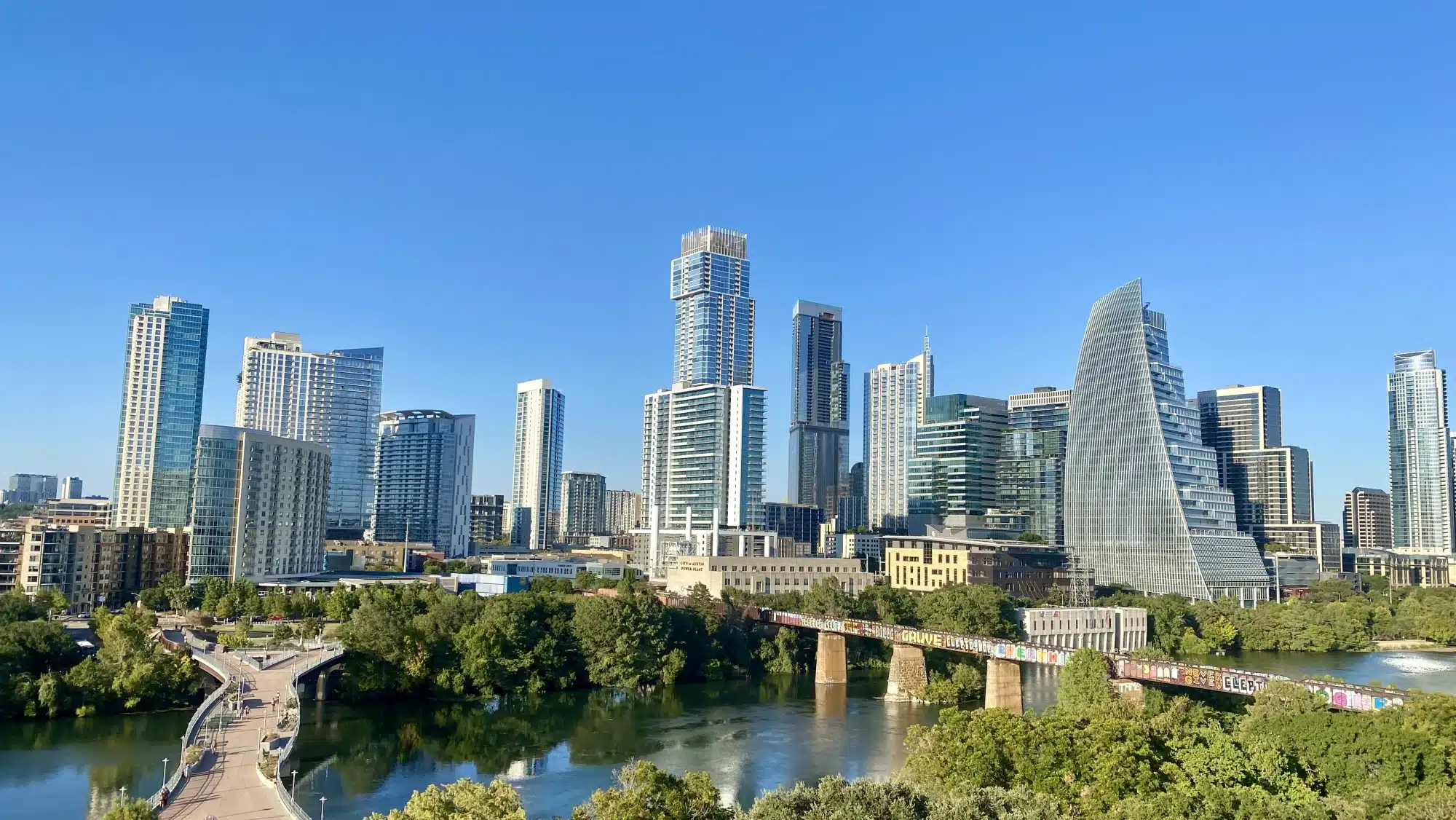

Is Austin Really Slowing Down? The Numbers Tell a Different Story
In recent discussions about Austin, one word keeps popping up: slowdown. As the city’s growth rankings and migration numbers cool off from their pandemic-era peak, some are asking: Has Austin already passed its best days?
That question makes sense if you only look at one number in isolation. But when you put population data, employment trends, and regional development together, a very different picture emerges.

Population Shifts: Austin Reclaims Its Spot
From a long-term perspective, one fact stands out clearly: Austin has reclaimed its position as the fourth-largest city in Texas.
According to the latest data from the Texas Demographic Center, Austin’s population has reached approximately 1.054 million, surpassing Fort Worth by about 34,000 residents. More importantly, this is not a short-term rebound. Since 2020, Austin’s population has grown by 9.5%, continuing to rank relatively high among peer cities.

Migration data backs up the trend. The U-Haul Growth Index shows Texas remains one of the nation’s top in-migration states in 2025, with 50.7% of moves headed in and 49.3% outbound. Austin itself climbed from No. 5 to No. 3 on the U-Haul ranking, joining Dallas and Houston in a strong trio of Texas metros leading population inflow.
As U-Haul International President John “J.T.” Taylor put it, while most moves are driven by life changes, states with steady inflow trends tend to attract people looking for a new environment. Austin continues to be one of those destinations.
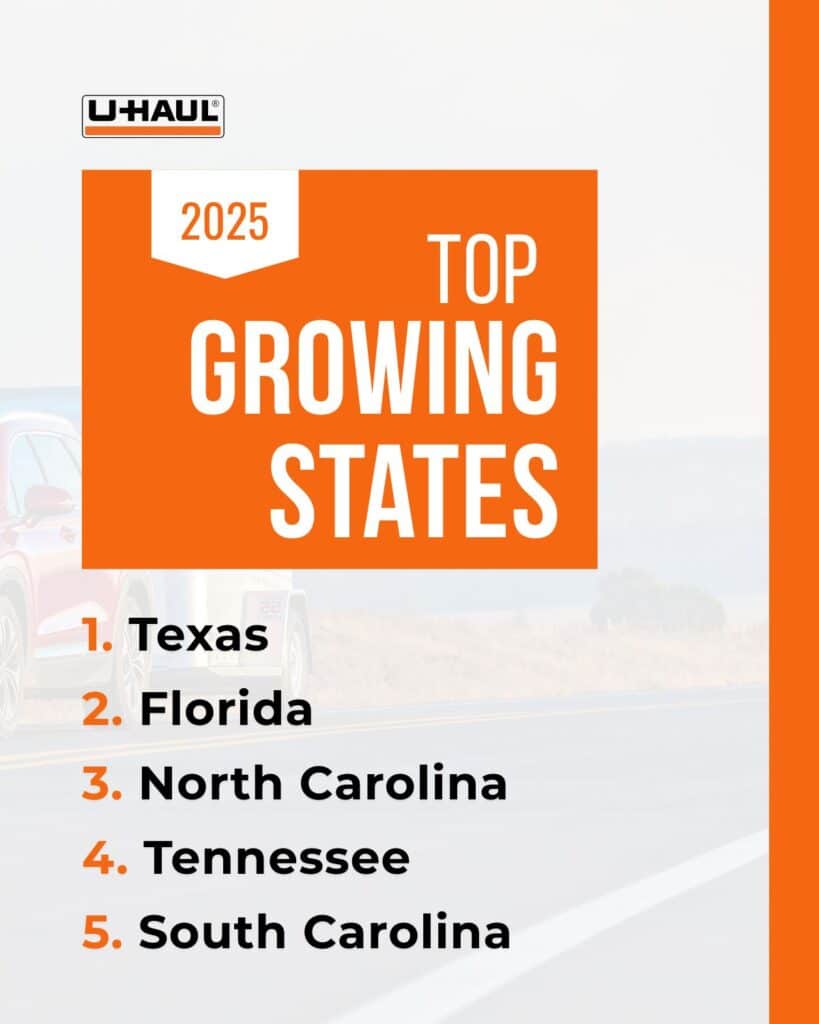 (Image from U-Haul)
Jobs: The Engine Behind Migration
Whether population growth can continue over the long term ultimately comes down to a more fundamental question: Is there stable, sustained job growth to support it?
Data makes that clear: according to official U.S. Bureau of Labor Statistics, the state labor force reached a historic high of 15.94 million in 2025, with total employment rising to a record 15.26 million. Over the past year alone, Texas added more than 140,000 jobs, one of the largest gains nationwide.
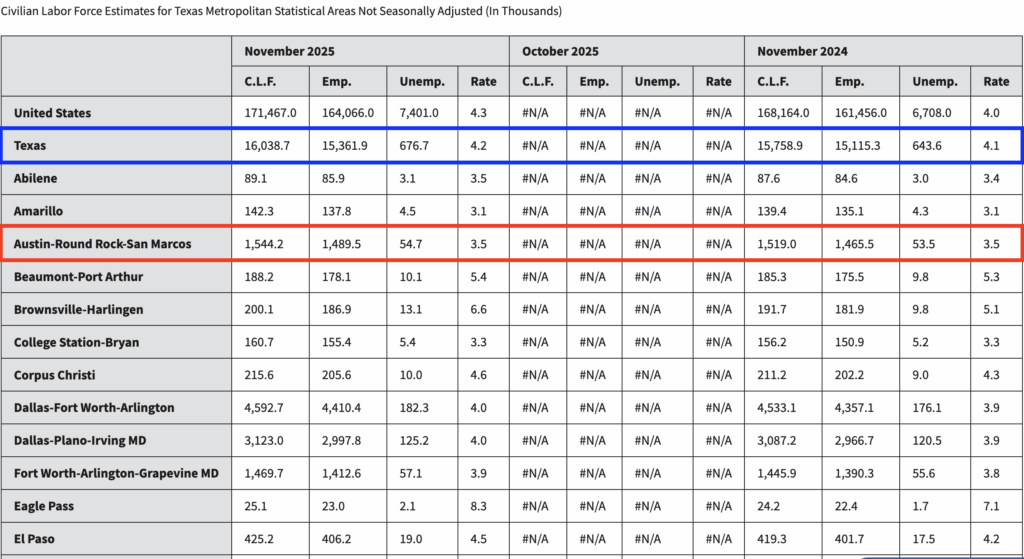 (Image from Texas Workforce Commission)
As Governor Greg Abbott has stated, Texas continues to offer “unlimited opportunity for hardworking Texans and innovative entrepreneurs.” Within that broader context, Austin’s employment performance is not an outlier, it is moving along the state’s primary growth trajectory.
A Growing Mega-Region
Austin’s evolution isn’t happening in isolation. The Austin–San Antonio corridor is emerging as one of the most dynamic economic regions in the U.S. According to Zonda’s 2025 Apartment Outlook, Austin’s non-farm employment is projected to grow 9.7% by 2030, with San Antonio following at 6.6%.
Former San Antonio mayor Henry Cisneros has described this corridor as an emerging “mega-region,” and the latest projections reinforce that view. By 2050, the combined population of this corridor is expected to reach 8.3 million people.

Along the I-35 corridor, two once-distinct cities are gradually connecting into a single, interdependent economic engine. As industries spread and commuting zones expand, job opportunities are no longer confined to one urban core. This regionalization of employment is reshaping where people live, work, and move.
A Shift in Phase, Not a Reversal
When these threads are viewed together, Austin’s current stage becomes easier to understand. Population growth has slowed from its peak pace but continues to trend upward. City scale is expanding. Jobs are still being added. Regional structure is strengthening.
This is not a downturn. It is a transition from rapid expansion to a more stable, mature phase of growth.
The hum of U-Haul trucks and the rhythm of construction sites still echo across the city, signaling energy and momentum. Every move-in, every new business, every job created adds another line to Austin’s ongoing growth story.
If you’d like to better understand Austin’s long-term trends and explore where growth opportunities may lie within this evolving landscape, feel free to reach out for more market insights.
📧 info@realinternational.com