

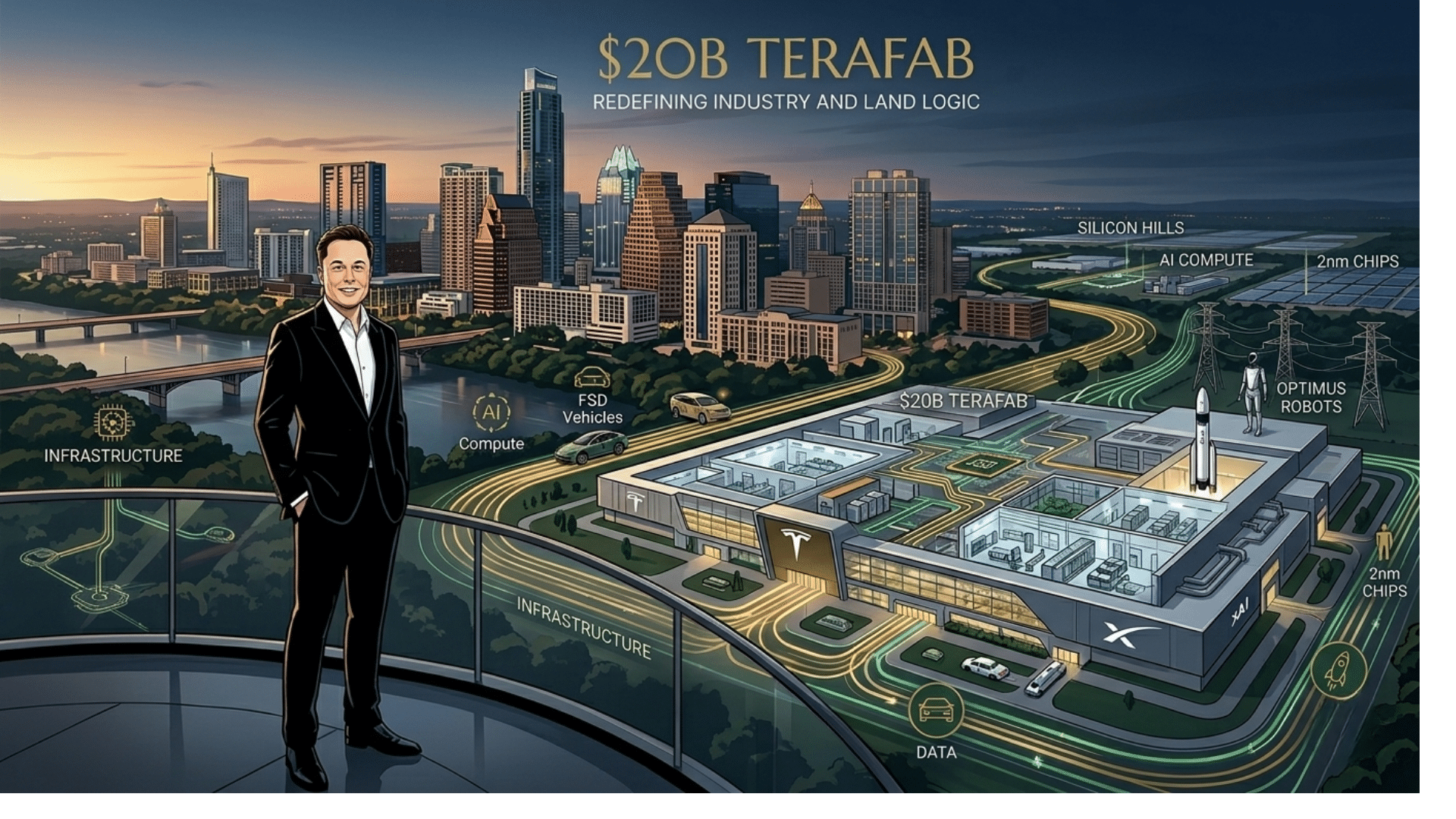

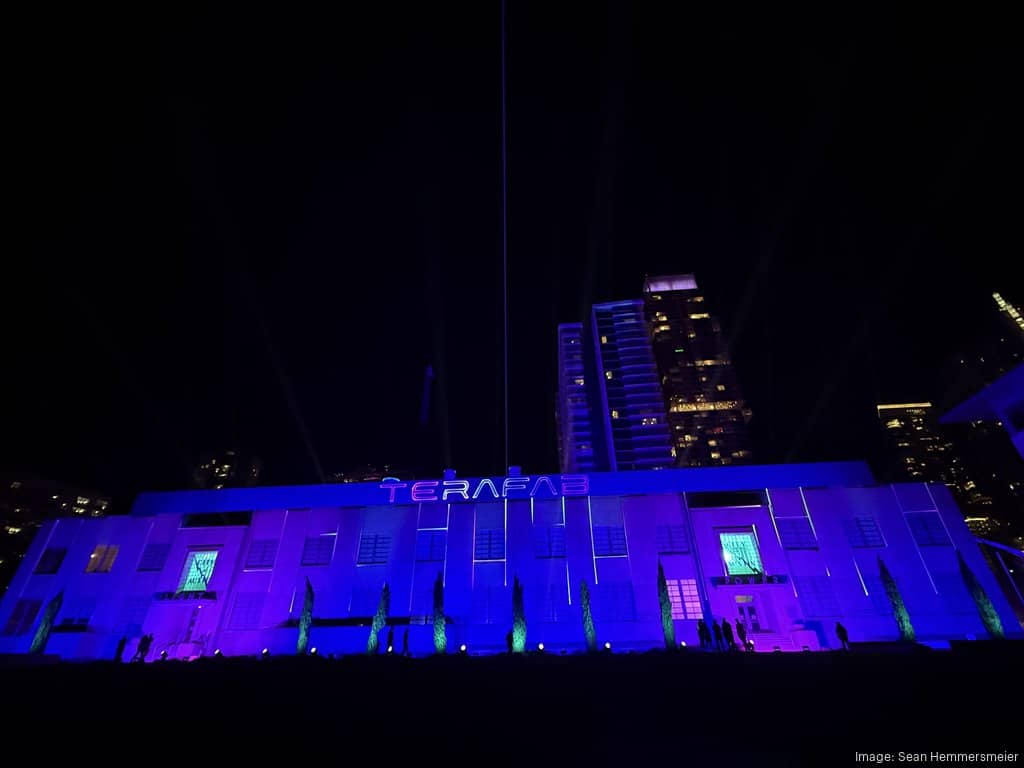
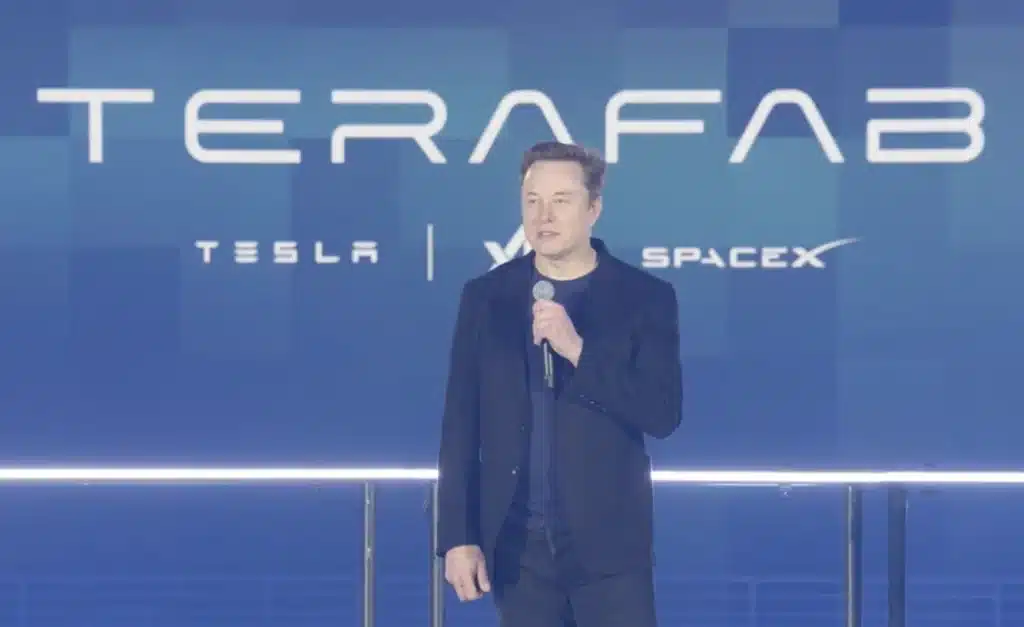
Elon Musk held a futuristic press event at the Seaholm Power Plant in downtown Austin to announce something monumental: Tesla, SpaceX, and xAI will jointly launch a $20 billion semiconductor manufacturing project called Terafab, right here in Austin.
This is more than just a factory; it is the mission-critical engine designed to power Musk’s grandest visions, from multi-planetary civilization to the realization of Artificial General Intelligence (AGI).
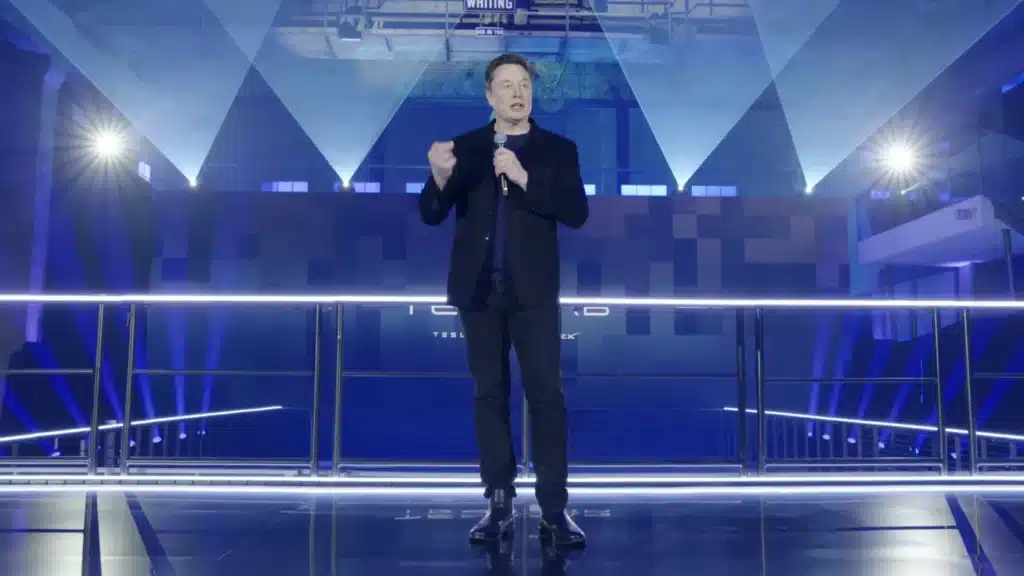
The “Terafab” Vision: Powering the Future of AI
The Terafab is envisioned as a full-cycle semiconductor manufacturing hub, moving far beyond simple assembly. Its primary objective is to generate 1 terawatt of annual compute, translating to an output of 100 million to 200 million AI chips per year.
These chips are the lifeblood of Musk’s ecosystem, destined for Tesla’s Full Self-Driving (FSD) hardware, Optimus humanoid robots, SpaceX rocket systems, and the xAI compute clusters.
When asked why Tesla needs to build its own fab, Musk explained that all existing chip manufacturing facilities on Earth combined can currently supply only about 2% of what his various projects will require.
He praised current suppliers—Samsung, TSMC, and Micron among them—but noted that none are scaling fast enough to meet the explosive demand for AI computing.
“We’re very grateful to our existing supply chain, and we’ll buy every chip they can make,” Musk told the audience, which included Texas Governor Greg Abbott. “But if we don’t build the Terafab, we simply won’t have the chips we need. So we’re going to build Terafab.”
Cutting-Edge Technology with a U.S. Manufacturing Base
Terafab plans to use 2-nanometer process technology and complete all manufacturing, including advanced packaging, on U.S. soil. Production is slated to begin in 2027, with the first phase of production focusing on automotive and robotics chips before expanding into higher-performance computing applications.
Though initial reports speculated that Bastrop County might host the project, given SpaceX’s recent expansion there and the $17.3 million grant awarded by the Texas Semiconductor Innovation Fund, current evidence points elsewhere.

Recent drone footage and Austin Business Journal reports show large-scale site preparation around Tesla’s Giga Texas campus in Travis County. A newly filed “Tesla North Campus” fire permit and active hiring for process engineers add to the momentum.
Musk later clarified that the constructions under way form part of an R&D fab, a roughly 2-million-square-foot facility for early-stage technology validation. The full Terafab complex, however, could require thousands of acres of land and up to 10 gigawatts of power, ultimately surpassing even Giga Texas in scale.
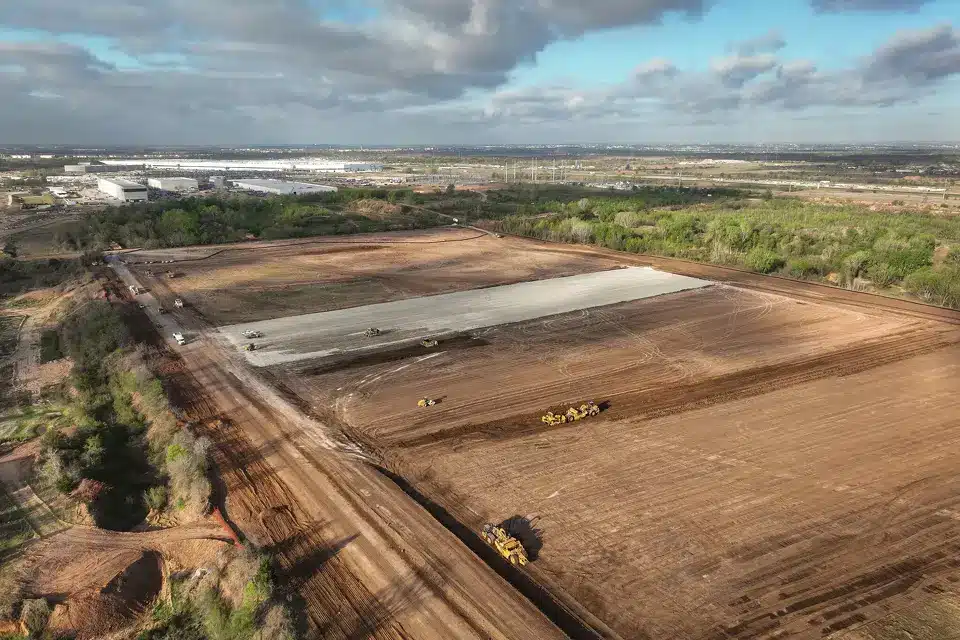 Extensive leveled land near Giga Texas, ready for construction.
He described the initiative as “epic,” noting that its potential output might reach five times the current global chip production capacity. Because of these massive land and utility requirements, the final site for the full-scale production base remains under evaluation, leaving the door open for larger tracts in Bastrop or eastern Travis County.
Beyond the Headlines: Anticipating the Curve
In this era defined by AI, semiconductors, and massive compute, many are still caught up in speculating on “which specific lot” the next project will occupy. But the more critical question for the strategic investor is: Where is the industry actually moving?
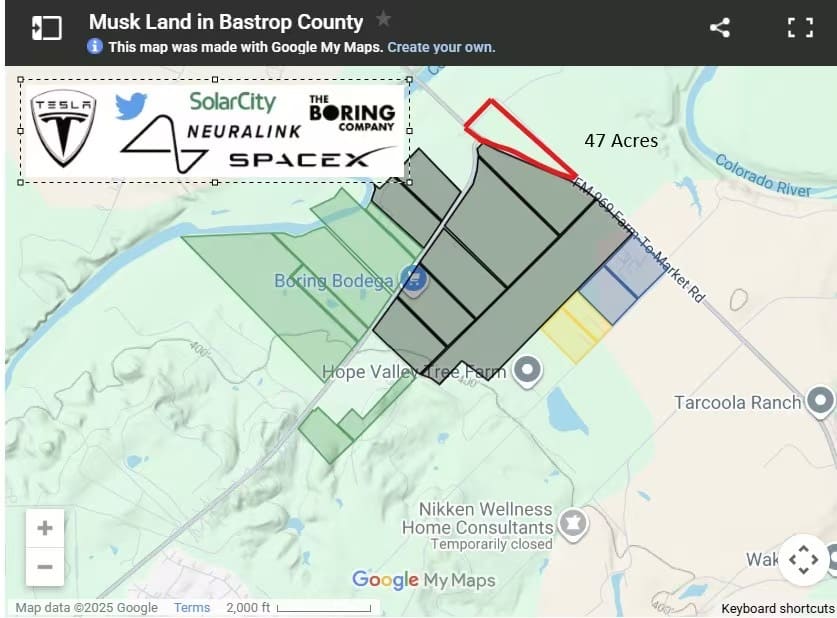
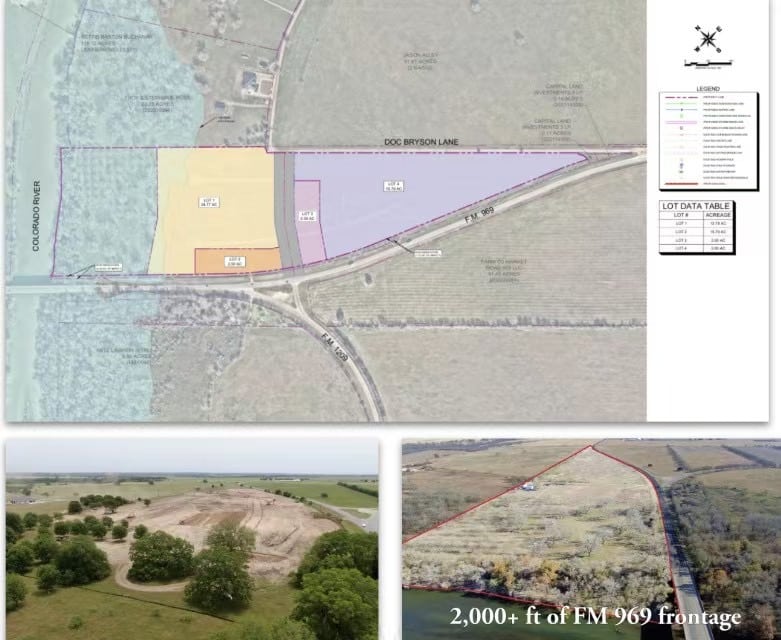
Looking back, this is exactly why we completed an acquisition in Bastrop, directly adjacent to SpaceX, back in 2022. At the time, our decision was rooted in a long-term anticipation of the region’s growth. Today, as these industrial anchors take firm root, we are seeing this area transition from the periphery directly into the core expansion zone.
Are you looking to capture investment opportunities rooted in this industrial logic? Contact our team at info@realinternational.com to discuss how we can help you navigate Austin’s evolving tech corridor.