

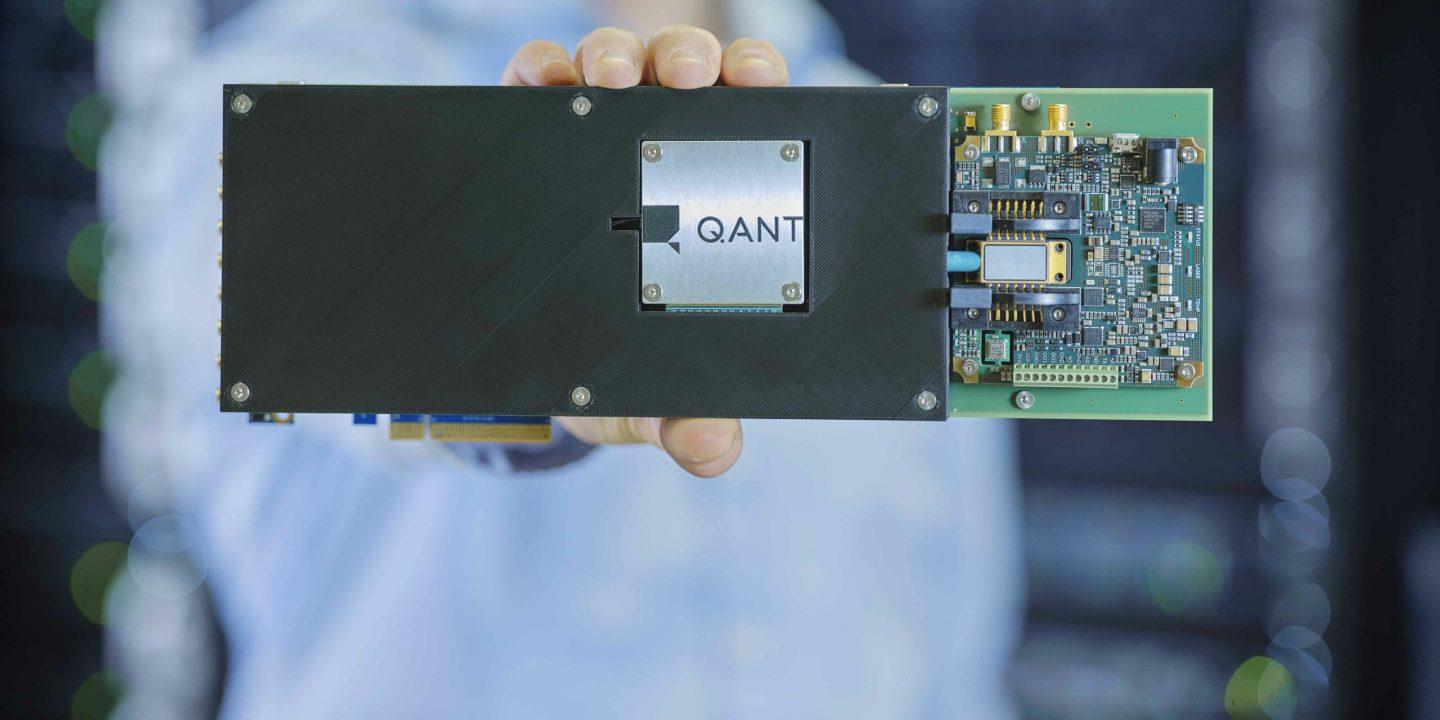

Executive Summary (Key Takeaways): The corporate migration to Texas is accelerating in 2026, driven by a zero percent state income tax and a pro-business environment. Austin, in particular, is cementing its status as the “New Silicon Valley,” attracting cutting-edge AI hardware startups like the $80M-funded German firm Q.ant, alongside massive expansions from semiconductor, biotech, and legacy energy corporations. This sustained influx of high-paying jobs is creating unprecedented opportunities in the Texas commercial and residential real estate markets.

The Macro Trend: Escaping the Coasts for the Lone Star State
The corporate map of the United States is being radically redrawn. In the early months of 2026, the migration of businesses from high-cost coastal areas to the Sun Belt is not just continuing; it’s evolving.
While states like California (specifically the San Francisco Bay Area and Los Angeles) are seeing a massive net outflow of corporate headquarters, Texas is claiming the undisputed top spot for corporate relocations. The catalysts behind this “voting with their feet” phenomenon are undeniable:
Tax Advantages: Texas boasts absolutely zero state-level personal income tax, a stark contrast to California, where the top income tax rate exceeds a punishing 13%.
Pro-Business Climate: Companies are actively seeking out Texas for its relaxed regulatory environment, significantly lower energy costs, and abundant, affordable land for corporate expansion.
Quality of Life: The soaring cost of living and housing shortages on the coasts are forcing companies to relocate to areas where their workforce can comfortably afford to live and thrive.

Austin’s Next Chapter: The Global Hub for AI and Compute Hardware
If the macro-level policy is the foundation, the arrival of top-tier deep tech companies is the rocket fuel for local real estate. Austin is no longer just a destination for software apps; it is rapidly becoming the hardware backbone of the AI revolution.
A prime example is Q.ant, a highly anticipated German startup specializing in energy-efficient photonic semiconductor chips for data centers and artificial intelligence. Armed with an $80 million Series A funding round, Q.ant recently announced it is officially establishing its U.S. headquarters right here in Austin.

Why Austin? Q.ant CEO Michael Förtsch made it clear that any company wanting to be a heavyweight in the computing industry needs a strong U.S. presence, specifically pointing to Austin’s incredible talent pool and its emerging status as a computing leader.
“When I look at the potential of Austin, I can clearly see that parts of the future of computing are being defined in Austin,” Förtsch emphasized. “Therefore, it is best for us to be part of this ecosystem and directly engage with those shaping the future.”
Currently, Q.ant’s CTO, Bruno Spruth, is actively scouting for highly attractive office space in the city, prioritizing locations that will help them attract top-tier talent and stay close to potential clients. They aren’t alone in this niche; another local photonics innovator, Neurophos, has also announced a massive expansion of its hiring efforts in Austin.

2025–2026 Major Texas Corporate Relocations & Expansions
To understand the sheer scale of this economic shift, here is a snapshot of the major companies moving to or heavily expanding in Texas right now:
Q.ant (AI / Photonic Chips): Establishing its U.S. headquarters in Austin to tap into the local talent pool and investor ecosystem.
Quantum Leap Energy (Advanced Nuclear): Setting up its global HQ in Austin to provide power for a massive 5,800-acre AI data center campus.
Neurophos (Photonic Chips): Expanding its R&D and hiring footprint in Austin.
3billion (AI Medical / Biotech): The top Korean AI genetics firm chose Austin for its first U.S. location, bringing 170 high-paying STEM jobs.
Arm (Semiconductors): Vastly expanding its Austin campus, backed by millions from the Texas CHIPS Act.
PEGATRON (Electronics Manufacturing): Investing over $35M in a new Georgetown facility to serve giants like Dell, Tesla, and Apple.
Public Storage (Real Estate / Storage): Fleeing California’s taxes and regulations by moving its headquarters to Frisco, Texas.
Exxon Mobil (Energy): Changing its legal domicile to Texas after 144 years in New Jersey.
Chevron (Energy): Executing a major headquarters relocation to Houston.

The Bottom Line
Every time a corporate headquarters moves, it represents a massive “vote of confidence” in the local economy. As the California exodus continues and Texas solidifies its position as the economic engine of America’s future, the fundamentals of the Austin real estate market continue to strengthen. Tracking these corporate movements is key to understanding where the market is heading next.
If you are interested in exploring how these macro trends impact specific neighborhoods and asset classes, the Real International team is here to share our data and market insights with you.