



A newly released report has confirmed that the Austin metro area led the entire nation in job growth between 2019 and 2025, expanding total employment by 21.8% — the fastest rate of any major U.S. metro during that period.
Even more notable, this growth is no longer driven by tech alone. White-collar, blue-collar, and service-sector jobs all expanded together, signaling that Austin is evolving from a tech-centric boomtown into a genuinely diversified regional economy.

Growth Across the Board
Between 2019 and 2025, Austin added more than 242,000 new jobs. In sheer volume, Dallas still leads the nation with approximately 434,000 new jobs, and Houston follows closely with about 246,000. But when it comes to growth rate, Austin takes the national crown at 21.8%.
Remarkably, Austin bounced back from the pandemic with real momentum. According to U.S. Census Bureau estimates, the metro area gained approximately 337,500 new residents between the 2020 Census and July 2025. Population growth and job growth have been reinforcing each other, accelerating the region’s overall economic expansion.

The report breaks job growth into four categories — white-collar, blue-collar, service-sector, and military-related employment. Austin ranked in the national top 10 in three of them:
- Blue-collar jobs: up 33.2%, ranking No. 1 nationally
- White-collar jobs: up 27.6%, ranking No. 2 nationally
- Service-sector jobs: up 9.6%, ranking No. 7 nationally
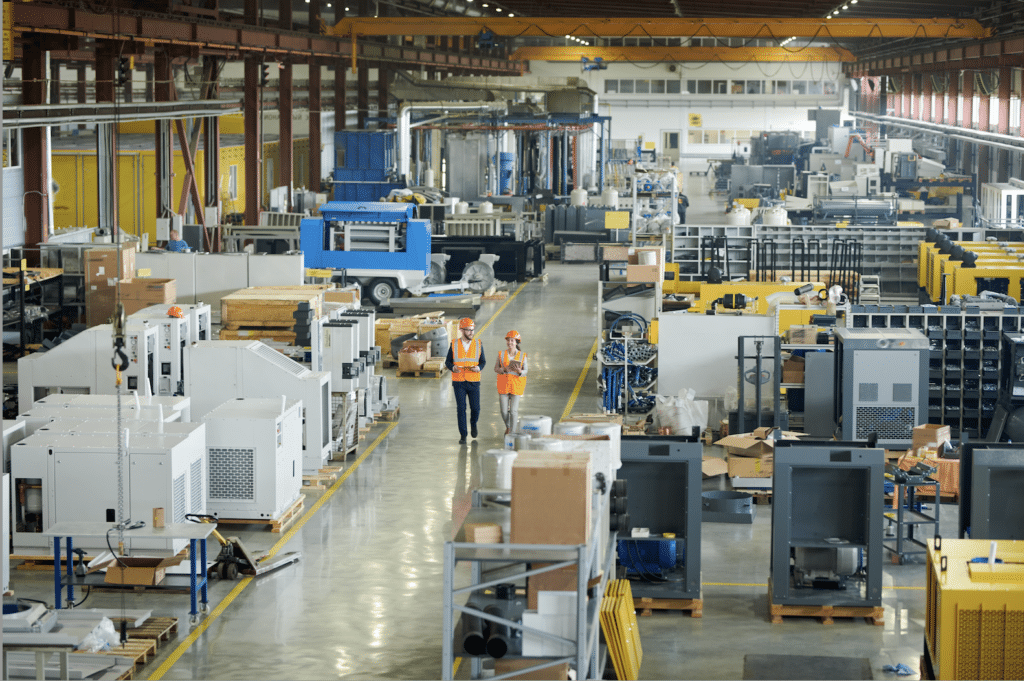
For years, Austin’s identity was built almost entirely around tech companies and software engineers. Today, manufacturing, construction, logistics, and support services have become major new engines of job growth.
Ted Abernathy, Managing Partner at Economic Leadership, put it plainly: Austin is no longer just a tech city. The steady rise in manufacturing jobs has, in turn, fueled growth in construction, electrical work, supply-chain logistics, and service industries.
What’s Driving the Boom?
So what’s behind Austin’s meteoric rise? The report points to three key drivers:
1. A business-friendly foundation. Texas’s famously low taxes and light regulatory touch continue to give companies room to move fast and scale up.
2. Deep tech roots. As the “Silicon Hills,” Austin already had a strong base of software and technology companies to build on.
3. Accelerating high-tech manufacturing. The rapid expansion of advanced manufacturing has further diversified Austin’s economy, opening the door to a much wider range of job types.

The most visible symbol of this shift is Tesla’s Gigafactory Texas, which began operations in 2022. According to Tesla’s annual filings with Travis County, the plant has become the region’s third-largest employer — and its ripple effects extend far beyond the factory floor, driving demand for materials suppliers, logistics providers, and professional services.
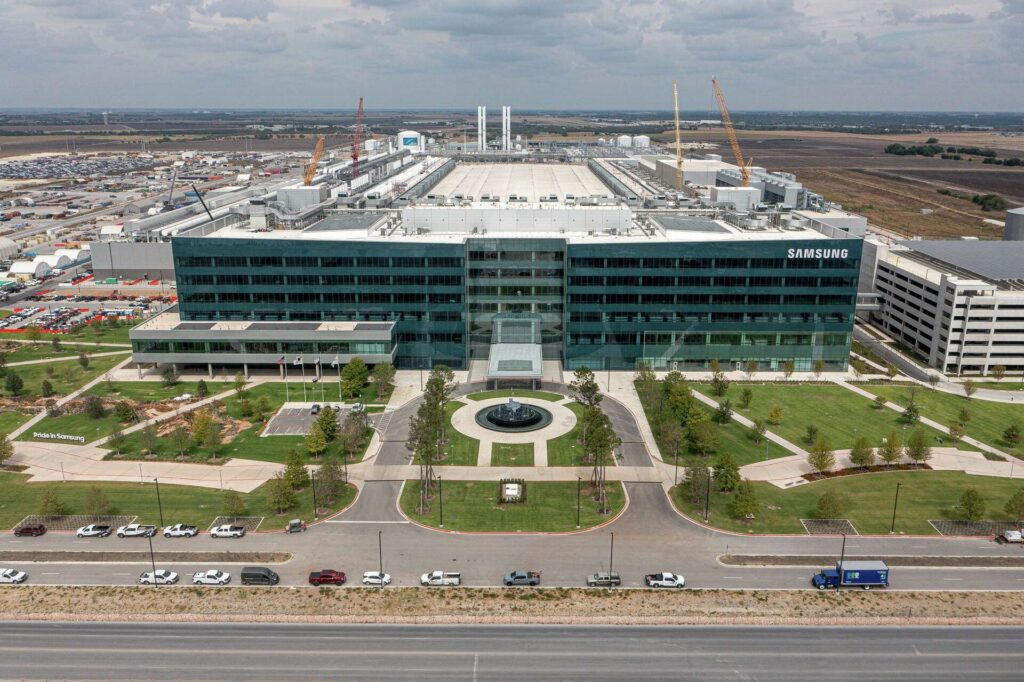
Samsung has left a similarly significant mark on local manufacturing. But Austin’s industrial base doesn’t hinge on just a few major players — Opportunity Austin estimates there are now roughly 1,900 manufacturing companies in the metro area, about 500 of which operate in high-tech manufacturing.
As the report’s experts note, white-collar and blue-collar growth are deeply interconnected: every time Austin attracts a new wave of engineers and programmers, the city has to expand its infrastructure to match — which means hiring more electricians, construction workers, and manufacturing staff.
How Could AI Affect Austin’s Job Market?
With artificial intelligence reshaping the workforce nationwide, anxiety about job displacement is everywhere. The report estimates AI could affect or transform as much as 30% of all jobs.
For Austin, though, this may be an opportunity rather than a threat. Analysts argue that because Austin has concentrated such a dense cluster of genuinely innovative tech companies, it functions as a true “innovation hub” — not an easily replaceable “outsourcing center.”
AI may eliminate some jobs, create new ones, and reshape the responsibilities of many existing roles. But Austin’s diversified economy and concentration of innovative companies make an overall net loss of jobs less likely, positioning the region to keep benefiting from technological change rather than being disrupted by it.

What Does This Mean for Austin Real Estate?
Continued job and industry growth provides long-term support for Austin’s real estate market. But for real estate investors, beyond considering the city’s long-term potential, the more practical question is: are there attractive opportunities to enter the market right now?
The answer is yes. Real International’s exclusive year-end builder specials are back for the fifth consecutive year!
After years of working in the Texas and Austin markets, Real International has built strong, long-standing relationships with many leading builders. These direct relationships allow us to skip the middleman and secure a selection of homes from builders at institutional bulk pricing.

Beyond exclusive builder discounts, purchasing a new rental property before year-end may unlock another benefit that many investors overlook: Bonus Depreciation.
When used appropriately, bonus depreciation may allow investors to accelerate the depreciation of eligible portions of a new rental property in the year it is placed in service — potentially saving a substantial amount on taxable income before year-end. Exclusive builder pricing combined with year-end tax benefits makes this one of the strongest asset-allocation combinations of the year.
(PS: Real International is not a tax, accounting, or financial advisory firm. Please consult your CPA or a qualified tax professional regarding tax-saving strategies and your individual circumstances.)
📍 Want the full list of available builder special properties? Reach out today — email us at info@realinternational.com to learn more.