

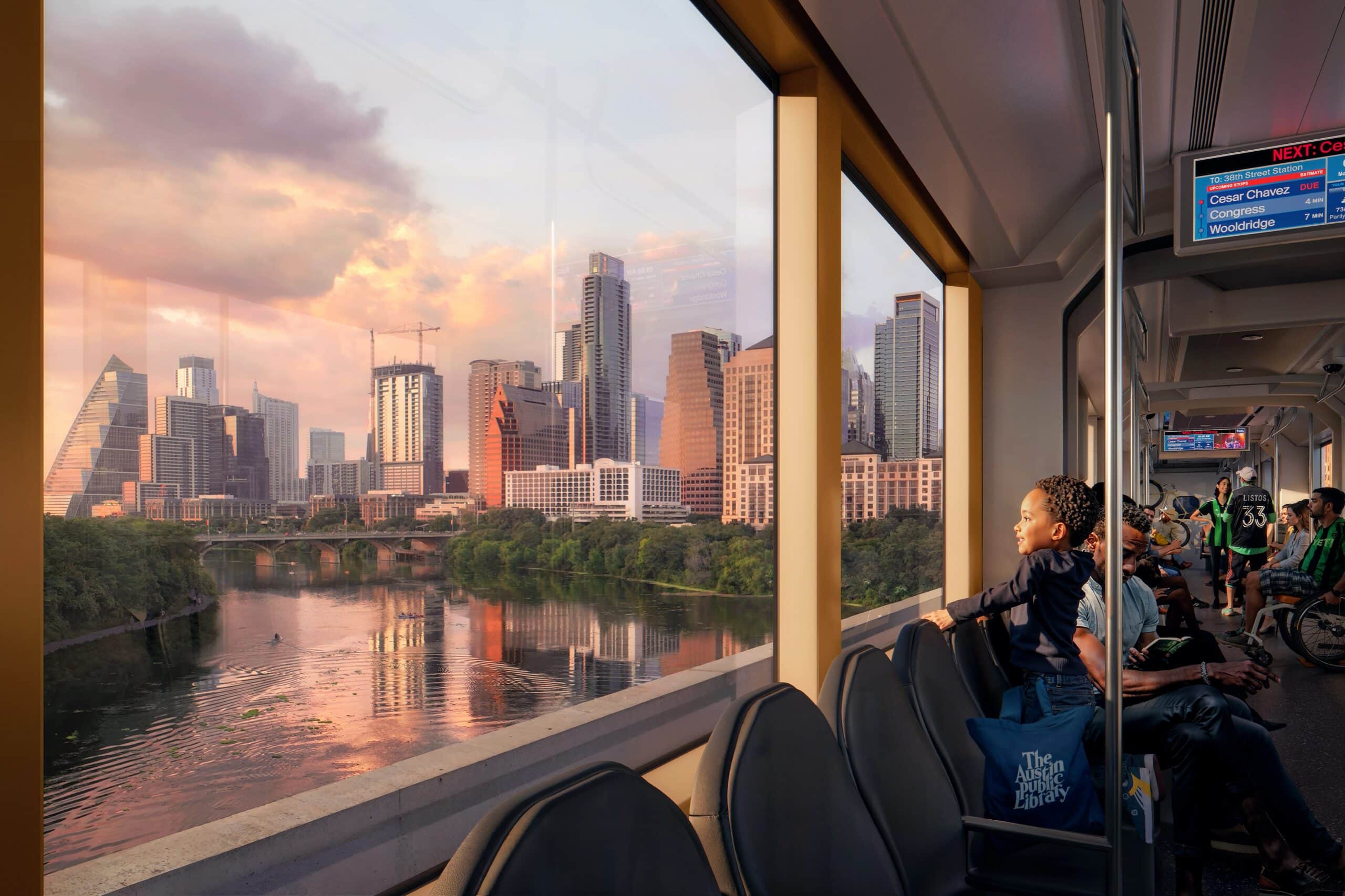

Austin’s long-awaited Project Connect light rail is officially moving into its next major phase, a true milestone for the city’s infrastructure development.
The Austin Transit Partnership (ATP) recently approved a $60 million design-build contract and officially selected Austin Rail Constructors (ARC) —a joint venture between Stacy and Witbeck and Sundt Construction— as the construction consortium for the first phase of the project.
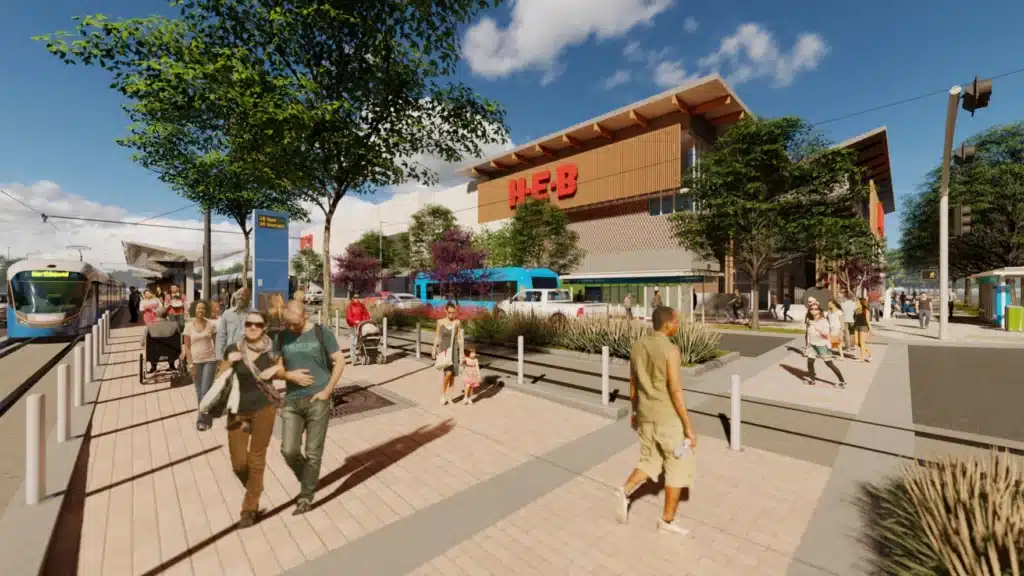
With this decision, the project is moving from planning into real engineering preparation. Field surveying and underground utility investigations are expected to begin this spring, while the overall timeline remains construction start in 2027 and completion in 2033.
For Austin, this marks the beginning of a transformative infrastructure investment that will reshape mobility and urban development across the city.
Inside the Project
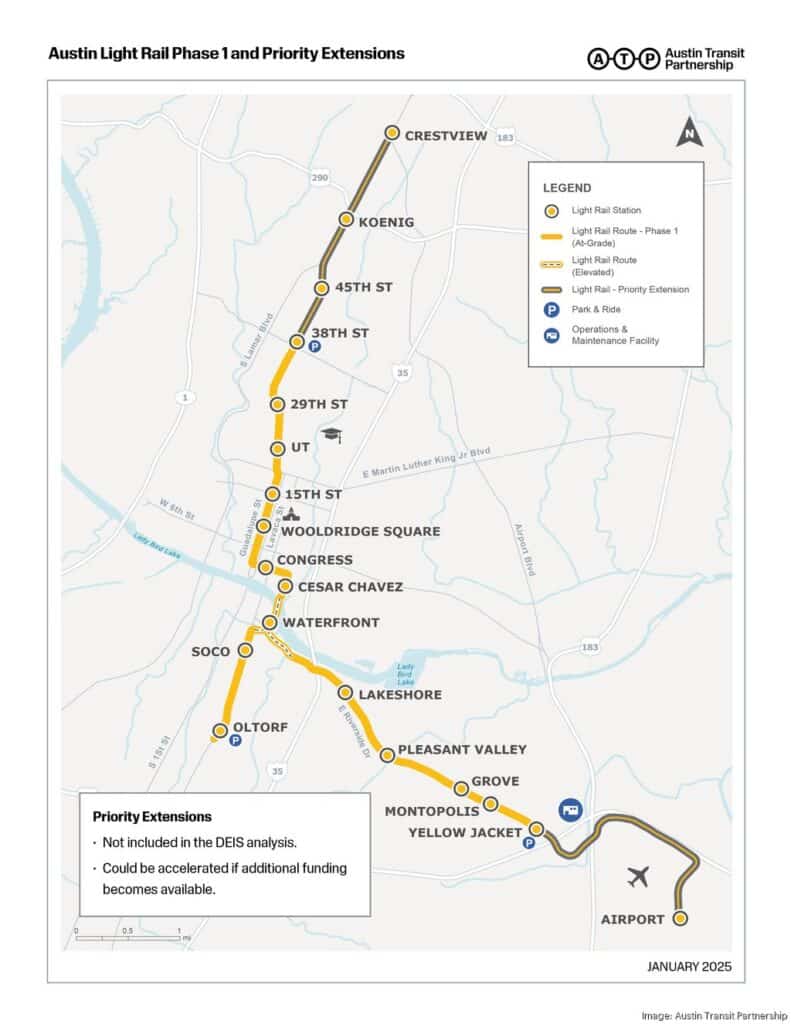
Phase 1A focuses on refining the main system’s design and completing the pre-construction groundwork for the nearly 10-mile central light rail line with 15 planned stations. According to ATP CEO Greg Canally, this approval represents “a significant and historic milestone for Austin’s light rail system.”
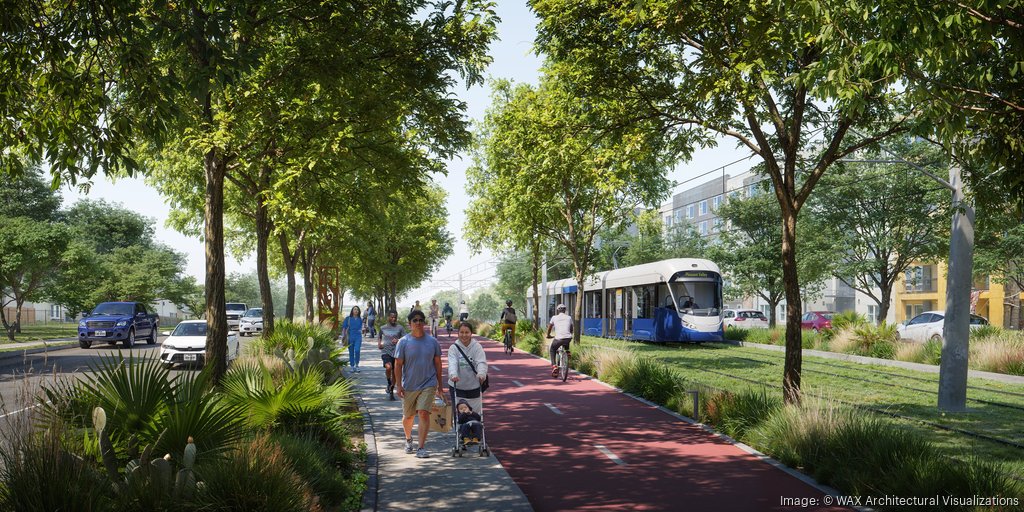
ARC’s scope includes key infrastructure elements: track systems, station construction, bridge works, traffic signal upgrades, drainage, and public-realm improvements along the corridor.
ARC Project Manager Armando Tiscareño added that the team brings together top local engineering talent and international experts “to deliver a world-class light rail system for Austin.”
Transforming Austin’s Core Corridors
The initial light rail line will run through South Congress, Downtown, the UT campus, and East Austin, connecting the city’s most active hubs for employment, education, and business. Fully electric trains are designed to run every 5 to 10 minutes during most hours, with the system built to allow future expansions across the metro area.
Austin Mayor Kirk Watson emphasized the community impact:
“This step brings us closer to building the public transportation system voters envisioned, one that meets our growing city’s needs, creates thousands of jobs, and strengthens long-term economic vitality.”
Overall, Project Connect is expected to create over 7,000 construction jobs and 1,000 permanent positions, while enhancing access for the 200,000+ jobs within Austin’s core employment zones. Beyond mobility, the $8 billion investment is projected to stimulate new clusters of development, attract private investment, and increase property values along the corridor.
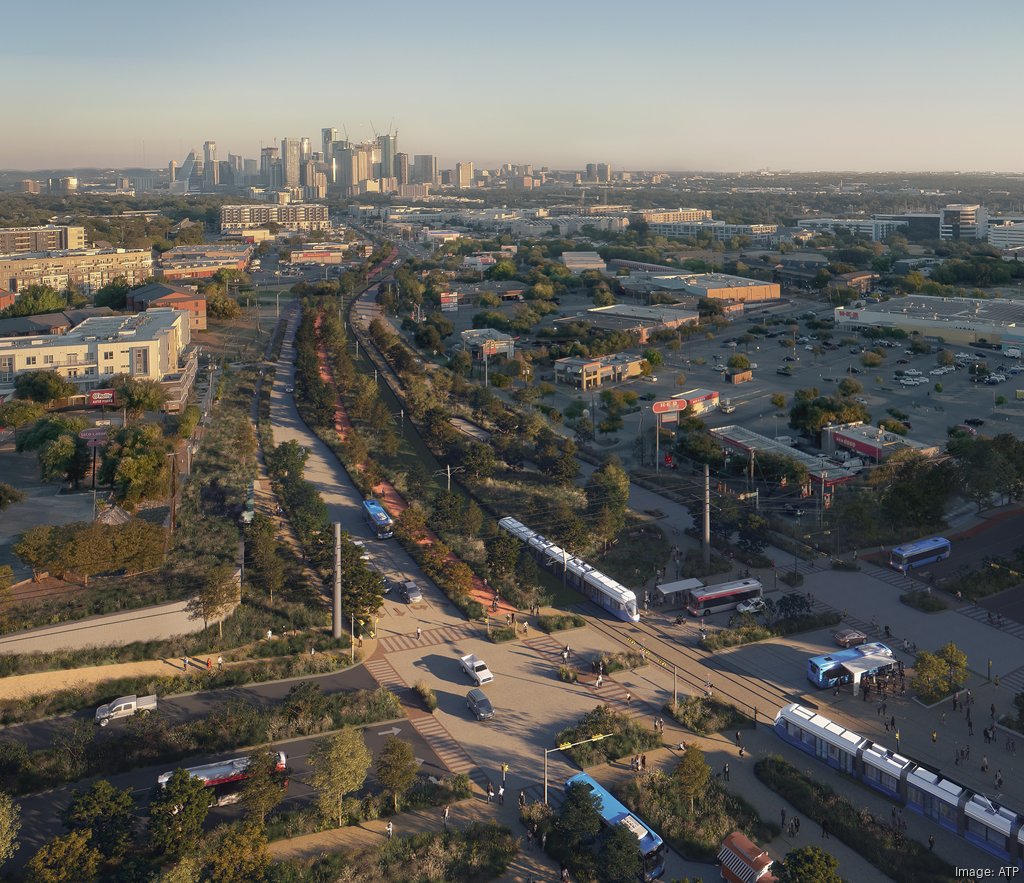
Where Infrastructure Meets Opportunity
As the light rail shifts from concept to construction, we are seeing a classic ‘infrastructure-led growth’ trend taking shape in East Austin. Typically, once construction begins on a major transit project, the value of the surrounding land starts to be viewed in a completely new light.
One particularly strategic opportunity lies where transit accessibility and federal tax incentives intersect, and that’s precisely where Crystal-line, a Real International exclusive project, stands.
Located within walking distance of a future Project Connect station and inside a Qualified Opportunity Zone (QOZ), Crystal-line offers investors a rare combination of location leverage and long-term tax benefits.
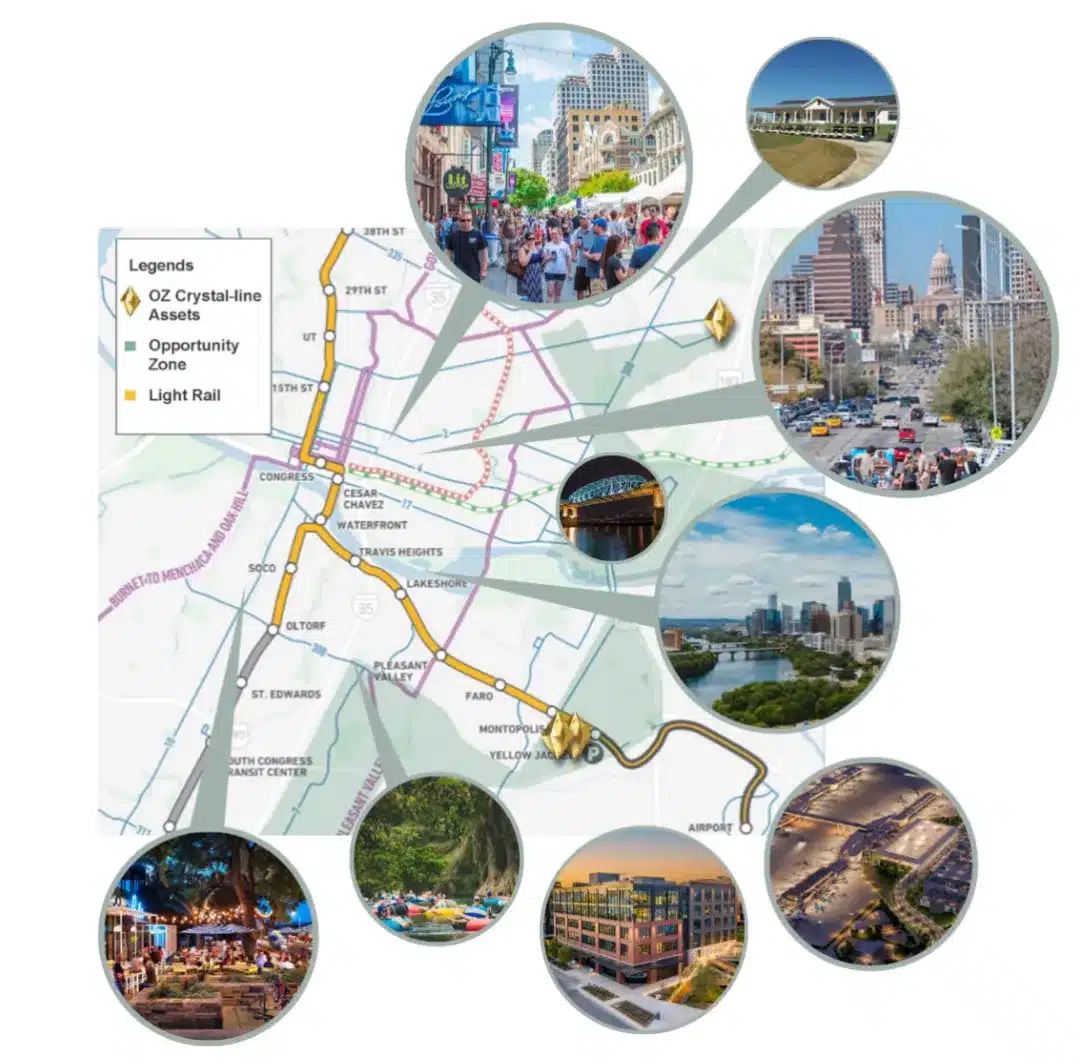
Why Crystal-line Matters Now
🔑 Key Highlights
Transit Connectivity: Walkable access to the upcoming Project Connect light rail station
Prime East Austin Location: Situated in a fast-developing corridor that still retains Opportunity Zone designation
Tax Advantage: Hold for 10+ years to enjoy zero capital gains tax on appreciation
Timing Certainty: As Opportunity Zone boundaries prepare for re-evaluation, assets already confirmed within the zone offer increased stability
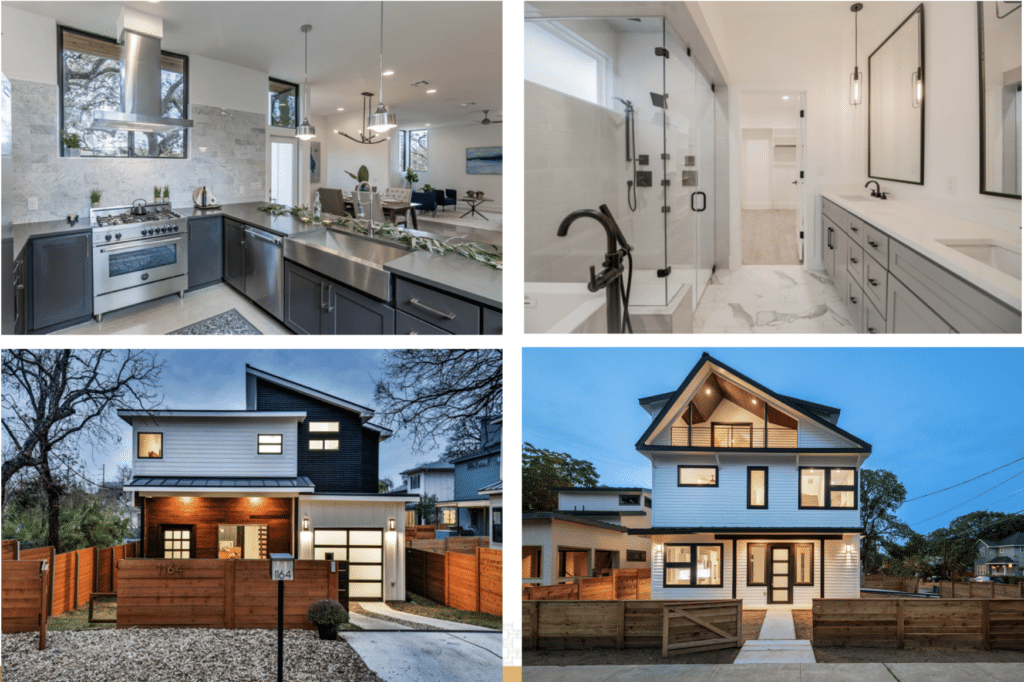
The Window Before the Train Arrives
Picture 2033: the light rail doors open, and riders hop on from East Austin to Downtown in minutes or to the UT campus in under fifteen. By that time, people will look back and ask—What were prices along the line before construction began?
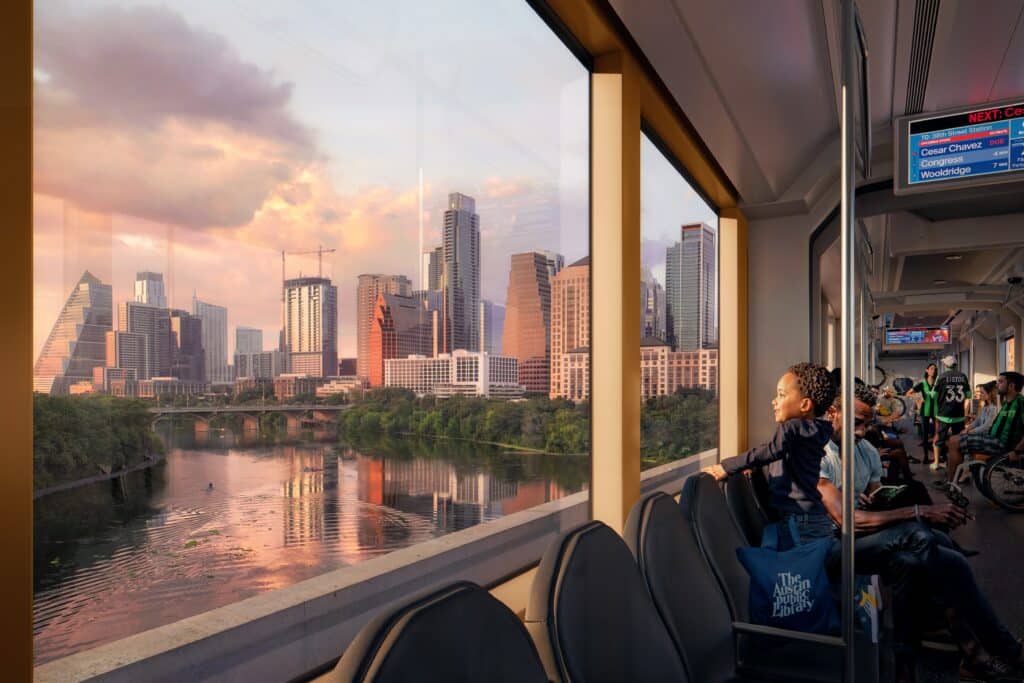
But the real opportunity isn’t when the train starts running, it’s now, during the years leading up to it.
Crystal-line stands right at the crossroad of two powerful trends:
The tangible value appreciation driven by multibillion-dollar infrastructure investment.
The finite, tax-advantaged period of Opportunity Zone benefits.
When those two cycles overlap, that’s when sharp investors pay attention.
Because by the time the light rail officially opens, or the policy landscape shifts, this story won’t be about “what could have been.” It’ll be about who got on board early.
📍 Ready to catch this ride before everyone else? Reach out today to learn more about Crystal-line and how to secure your position in East Austin’s next wave of growth.