


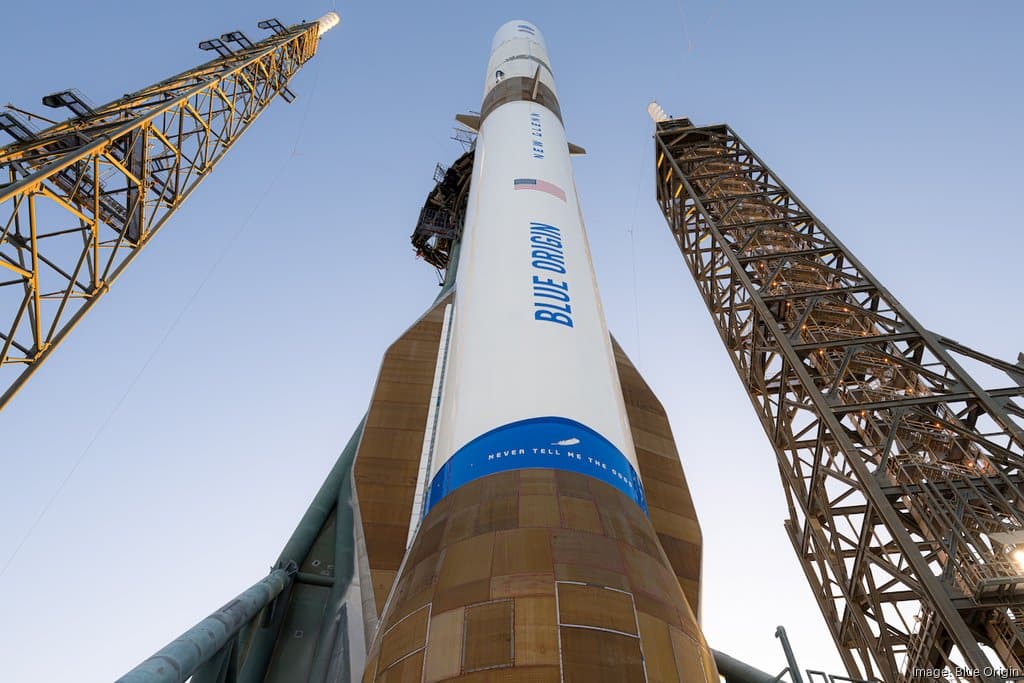
Blue Origin, the space exploration company founded by Amazon’s Jeff Bezos, is reportedly evaluating Hutto, a fast-growing satellite city northeast of Austin, as the potential site for a major new development internally dubbed “Project Blue Hub.”
The project is expected to span approximately 100 acres and could bring an estimated 2,200 jobs to the Greater Austin area over the next five years.
More Than a Factory: A Full-Scale Aerospace Hub
Recent disclosures reveal that this is far more than a traditional manufacturing facility. Blue Origin is currently deciding between Texas and Florida for the project, with Hutto emerging as a leading candidate within Texas.
According to public filings and sources familiar with the matter, the scale of the project is substantial:
Size and scope: A 1.3 million-square-foot integrated complex combining manufacturing, research and development, warehousing, and logistics. The plan includes roughly 20 acres dedicated to manufacturing and 80 acres for logistics operations.
Strategic location: Site selection is tightly constrained to within a 15-mile radius of the I-35 corridor, one of Central Texas’s most critical transportation arteries.
Capital investment: Total investment is projected to range from $650 million to nearly $1 billion.
High-paying jobs: The project is expected to generate over 2,000 jobs within five years, with an average annual salary of approximately $88,000.
Why Hutto and Why Now?
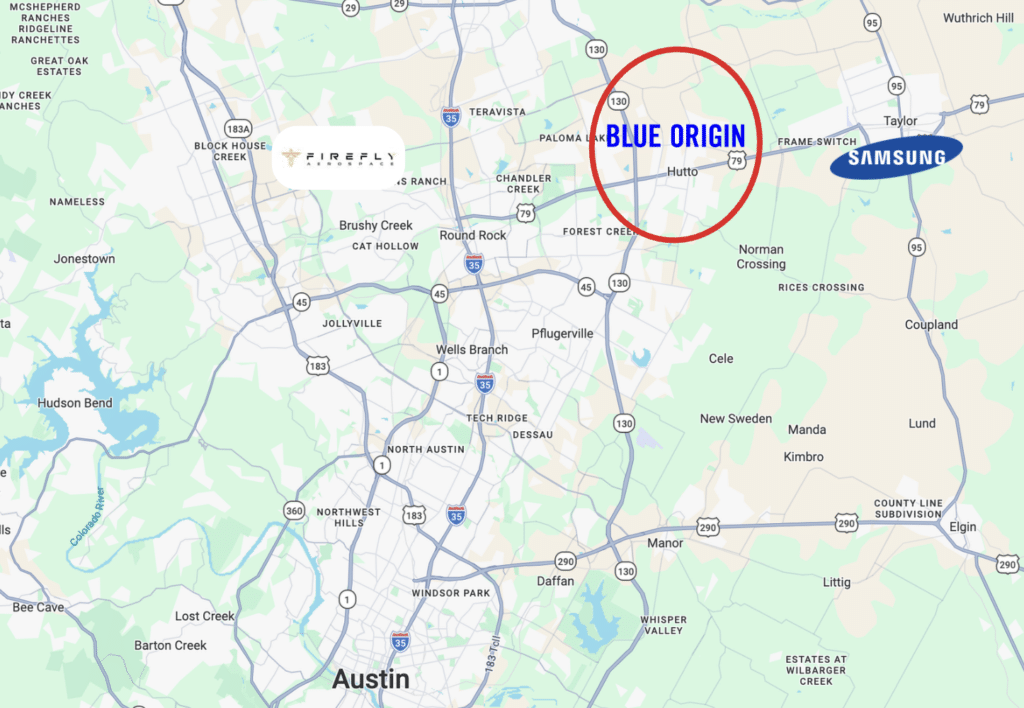
Blue Origin’s interest in Hutto reflects a broader transformation underway across North Austin, particularly in Williamson County. Once viewed primarily as an overflow area from “Silicon Hills,” this region has rapidly evolved into a high-value hub for advanced manufacturing and aerospace.
The area already benefits from proximity to Samsung’s massive semiconductor plant in Taylor, as well as a growing cluster of aerospace companies such as Firefly Aerospace. The influx of major industry players is reshaping the region into what many now consider Texas’s emerging “aerospace and advanced manufacturing corridor.”

Austin’s Growth Engine and the “Goldilocks Effect”
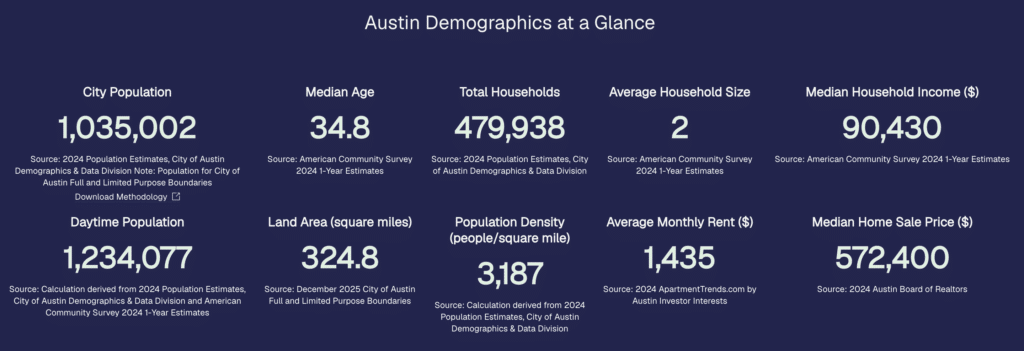
This wave of corporate investment is rooted in Austin’s powerful economic momentum. The city recently surpassed a population of 1 million, reinforcing its status as one of the nation’s most dynamic tech and economic centers.
As Austin’s urban core continues to expand, its growth is fueling a broader metropolitan trend described by the U.S. Census Bureau as the “Goldilocks effect.” In this context, mid-sized suburban cities that offer a balance of livability, affordability, and development capacity are experiencing accelerated population growth.
Hutto exemplifies this trend. With an annual growth rate of 7.9%, its population has surpassed 46,000, making it one of the fastest-growing cities in the Austin metro area.
These suburban markets are increasingly absorbing demand driven by high-income job creation, offering more attainable housing options and greater land availability compared to Austin’s urban core.

What This Means for Real Estate
The site selection strategies of major corporations and the migration patterns of high-income workers are already shaping the future of real estate across Greater Austin. For buyers and investors, understanding where jobs are moving is key to identifying the region’s next high-growth housing markets.
Want to stay ahead of Austin’s next growth corridor and secure your position in these emerging hotspots? Contact us to explore more.